Staying Seen and Staying Safe: A Complete Guide to Bike Light Safety
Riding a bike is almost a childhood right of passage in Idaho but with changing landscapes and increases in road traffic it is becoming more dangerous. When riding a bike visibility is key. Whether your child is riding to school at dawn, coming home at dusk, or navigating a cloudy afternoon, the right bike lights—and the right habits—dramatically reduce your risk on the road.
Why Bike Lights Matter
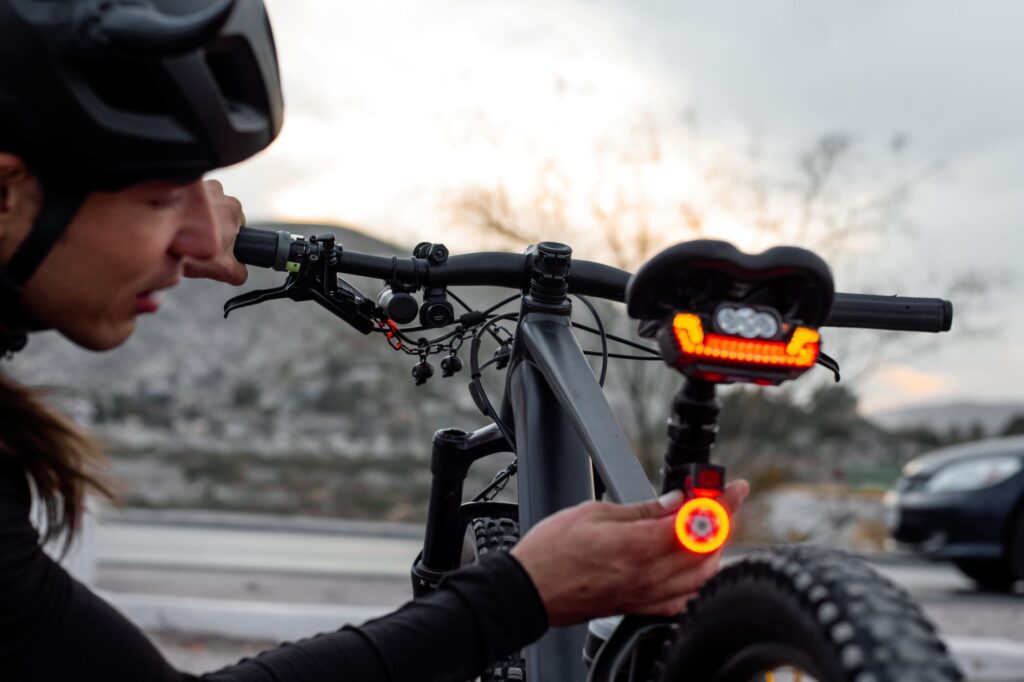
Bike lights aren’t just accessories; they’re essential safety equipment. They help you see the road, and avoid potholes and other objects, but just as importantly, they help drivers, pedestrians, and other cyclists see you. Many accidents happen not because a bike rider is doing something wrong, but because someone else didn’t see them. Bike lights should be used whether your child rides on the street, in a bike lane or on the sidewalk.
The Two Types of Bike Lights You and Your Child Need
At the time this article was written, Idaho law mandates a front light visible from at least 500 ft. and rear reflector during nighttime or low-visibility conditions (State Statue 49-723). However, reflectors should be permanently attached to your child’s bike and both front and rear lights should be used anytime your child is riding on or near a road, day or night.
1. Front Light (White)
- Illuminates your path
- Helps others see you coming
- Required by law in many places after dark
2. Rear Light (Red)
- Alerts drivers approaching from behind
- Often more important than the front light for visibility
- Flashing mode can increase attention.
How Bright Should Your Lights Be?
If you can’t see the road clearly or you wouldn’t notice yourself as a driver, you need brighter lights.
Brightness is measured in lumens. Some lights have adjustable brightness levels as well as flashing and solid mode. Typically, the brighter the light the better, however, if you are using the highest setting be careful to angle the front light slightly down so you do not blind pedestrians or drivers. The chart below is a guide, always choose a light bright enough for your riding conditions and if in doubt err on the side of brighter.
| Riding Environment | Front Light | Rear Light |
| Well‑lit city streets | 100–300 lumens | 20–50 lumens |
| Suburban or dim areas | 300–600 lumens | 50–100 lumens |
| Rural or unlit roads | 600–1200 lumens | 100+ lumens |
Battery Life and Charging Tips
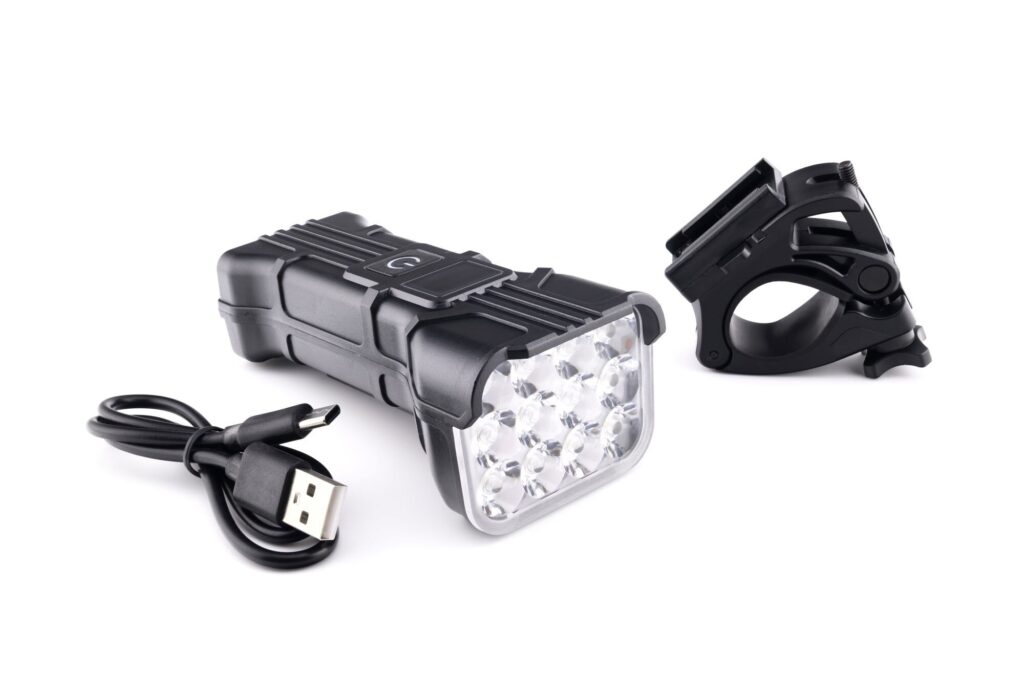
Some bike lights, particularly those that are given away at events, do not have a rechargeable battery and will not last long. Others are rechargeable and may be more expensive but will last years if taken care of properly.
The brighter the light the more quickly it may lose its battery charge, learn your lights so you know when they will need to be charged, or get in the habit of charging them after every ride.
A few habits make a big difference:
- Charge your lights after every long ride
- Keep a backup light in your bag
- Choose USB‑rechargeable models for convenience
- Use lower‑power steady modes when you don’t need maximum brightness
Some riders even set a weekly reminder to check their lights—small effort, big payoff.
Mounting Matters
Where and how you mount your lights affects how well they work.
Front Light Placement
- Handlebar is standard
- Helmet mounts help you see around corners
- Aim slightly downward to avoid blinding oncoming traffic
Rear Light Placement
- On the Seatpost is common
- Seatstay (under seat) mounts improve visibility if you use a saddle bag
- Clip‑on lights for backpacks or jackets increase visibility.
Smart Riding Habits That Boost Safety
Lights are powerful, but they work best alongside good habits:
- Wear reflective gear or add reflective tape to your bike
- Avoid riding in drivers’ blind spots
- Signal clearly and early
- Keep your lights clean—dust and grime reduce brightness
- Check your lights before every ride, just like you’d check your brakes
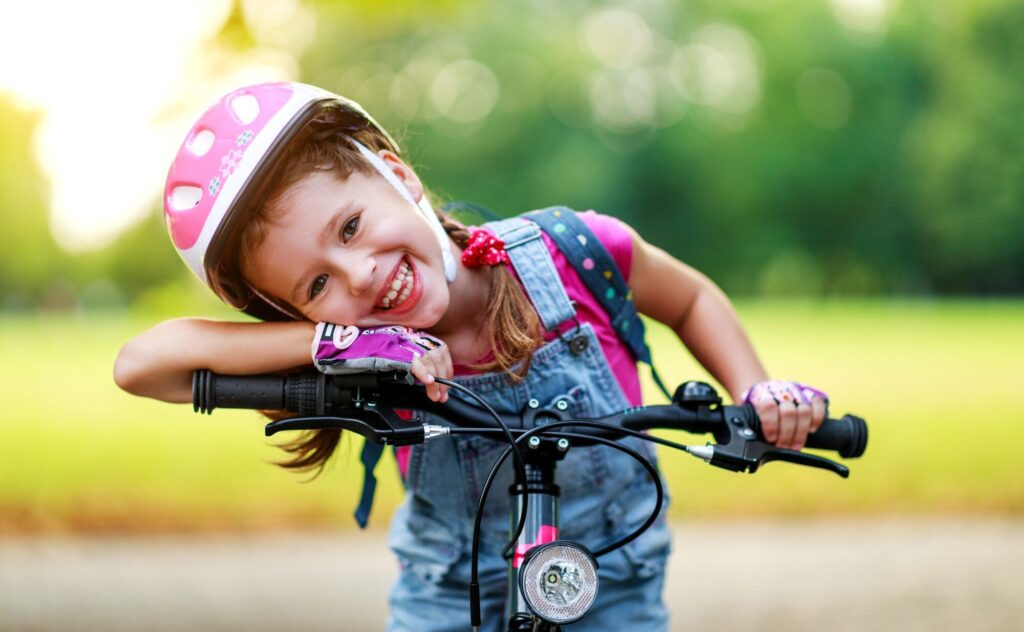
These small steps stack up to a safer ride.
Final Thoughts
Bike light safety isn’t complicated, but it’s incredibly important. The right lights—and the right habits—turn you into a visible, predictable, and confident rider. Teach your child how their lights work and model using your own lights when you ride together.