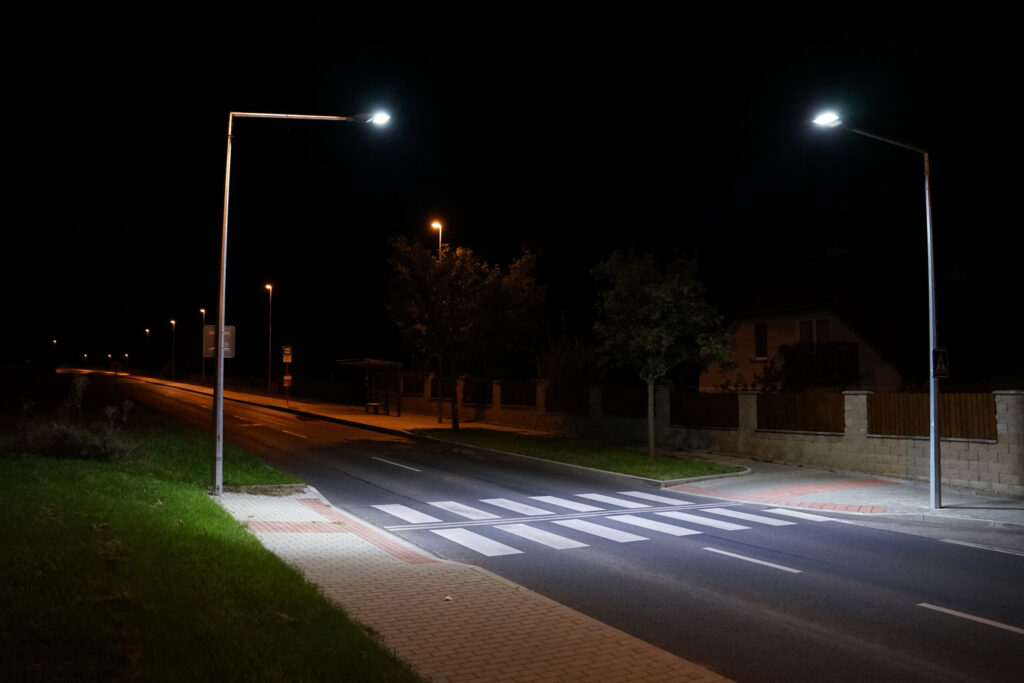
With daylight saving time beginning, the sudden shift in light can make walking and biking riskier, especially during early mornings and evenings when visibility drops. In Idaho, early March mornings stay darker for a while after the time change, and sunrise glare can be intense on east–west corridors. Evening temperatures also drop quickly, which can create slick spots on shaded paths.
Adjusting your habits can help you to stay safe when on the road.
Why daylight-saving time increases risk
The first week after the time change consistently sees an uptick in pedestrian and cyclist injuries because:
- Morning commutes are darker which reduces visibility.
- Drivers are adjusting to the time shift and may be tired and less alert.
- Drivers may be running late and be in a hurry.
- Glare from sunrise or sunset hits at different angles than it did the week prior.
- Evening activities occur in lower light than before the change.
Staying visible
Visibility is the single most important safety factor during the DST transition.
- Wear reflective gear — Reflective strips on jackets, backpacks, shoes, and bike frames catch headlights far better than bright colors alone.
- Use lights even in “almost daylight” — A white front light and red rear light on bikes are essential, and walkers benefit from small clip‑on LEDs.
- Choose routes with good lighting — Well‑lit sidewalks, bike lanes, and intersections dramatically reduce risk.
- Avoid wearing dark colors at dawn or dusk — Even navy or forest green can blend into the background in low light.
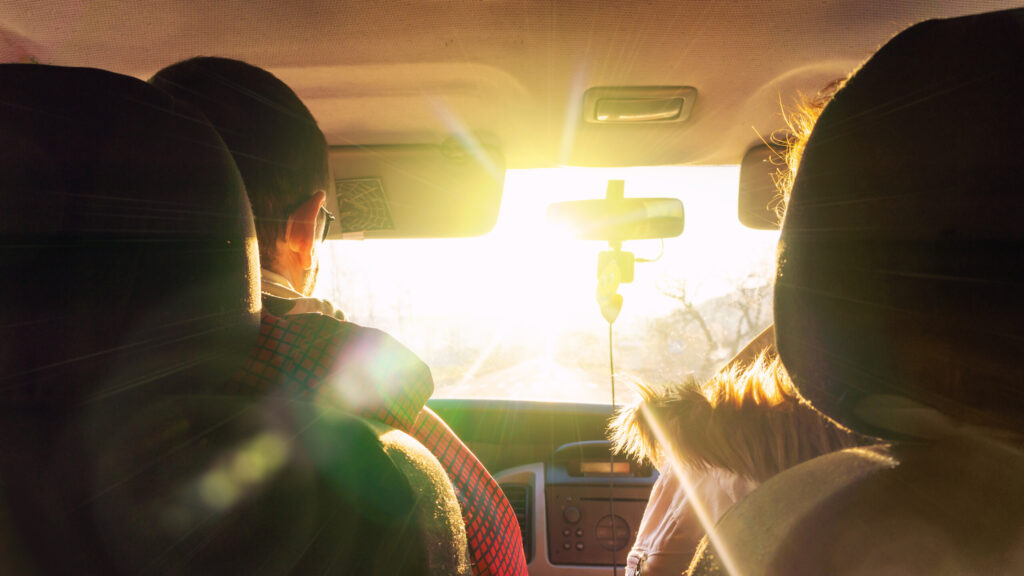
- Watch for glare — Sunrise and sunset glare can temporarily blind drivers, especially on east–west roads.
Biking safety steps
Cyclists face unique risks during the DST transition, so extra precautions help.
- Check your lights and batteries — Make sure batteries are fully charged so your lights are as bright as possible.
- Use reflective sidewall tires or spoke reflectors — They make you visible from multiple angles.
- Ride predictably — Hold a straight line, signal clearly, and avoid weaving between cars.
- Slow down on familiar routes — Changing shadows can hide potholes, debris, or uneven pavement.
Walking safety steps
Pedestrians can stay safer by increasing predictability and awareness.
- Cross at marked crosswalks — Drivers may expect pedestrians there, especially in low light.
- Avoid distractions — Keep headphones low and phones down when crossing streets.